


Why Does Water Pool in My Garden? 7 Possible Causes
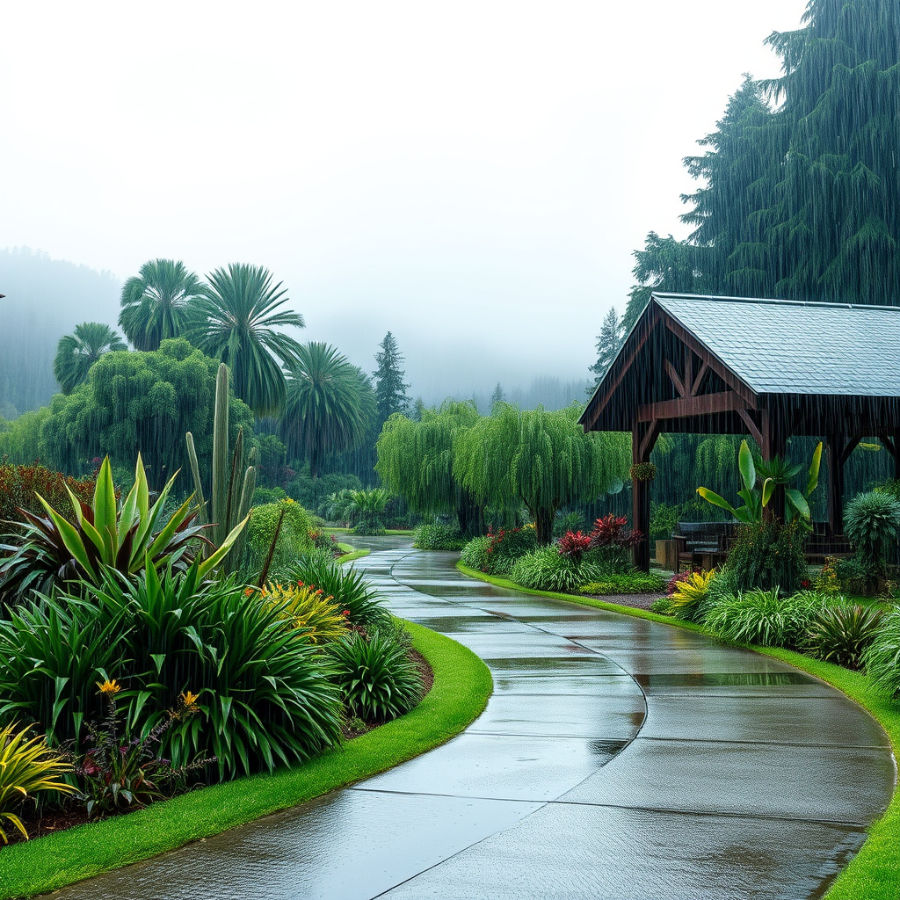
If you’ve noticed puddles sitting in your garden or lawn long after the rain has stopped, you’re not alone. With Northland’s wet winters and heavy rainfall, drainage problems can quickly become obvious. For homeowners in the Bay of Islands, good drainage is an important part of creating a healthy, usable garden. A small amount of water after heavy rain is normal, but persistent pooling can damage lawns, plants, soil and even nearby structures. The good news is that once you understand what is causing the problem, there are usually practical landscaping and gardening solutions available.
Here are seven common reasons water may be pooling in your garden.
1. Poor soil drainage
Some soils simply don't drain water very well. Heavy clay soils, in particular, can become saturated during wet weather, leaving nowhere for additional rainwater to go. Compacted soil can make the problem even worse, as water struggles to penetrate below the surface. Depending on the situation, improving the soil, changing planting areas or installing additional drainage may help.
2. Your garden is sitting in a natural low point
Water always follows the path of least resistance. If your garden sits at the bottom of a slope or has a naturally low area, rainfall from surrounding ground can collect there. Sometimes this can be addressed by reshaping the garden to direct water elsewhere. Mounds, swales and carefully designed levels can help manage where water travels rather than allowing it to collect in one spot. Good landscape design considers both how a garden looks and how it will function during heavy rainfall.
3. Blocked or inadequate drainage
Existing drains, sumps or stormwater systems can become blocked with leaves, soil and debris. In other cases, the drainage system simply isn't large enough to cope with the amount of water entering the property. If water consistently collects in the same area, it's worth checking whether there is an existing drainage system that could be cleared, repaired or improved.
4. Water is running onto your property from elsewhere
Not all drainage problems originate where the puddle appears. Water may be coming from a neighbouring property, or a driveway, roof, downpipe or higher section of your own property. Once large volumes of water start flowing downhill, they can quickly overwhelm a garden. Understanding where the water is coming from is an important first step before deciding how to fix it.
5. Compacted lawn or soil
Heavy foot traffic, vehicles, construction work and even years of mowing can compact soil. When the soil becomes compressed, there are fewer spaces for water to move through. Instead of soaking into the ground, rainwater sits on the surface. Aerating and improving the soil can sometimes help with minor problems, but more significant drainage issues may require a more substantial solution.
6. Poorly designed garden levels
Sometimes the problem is simply the way a garden has been constructed. Paths, lawns, garden beds, retaining walls and other landscaping features can unintentionally create areas where water becomes trapped. This is particularly important on sloping properties, where getting the levels and water flow right is essential. Thoughtful landscaping should consider not just the appearance of a garden, but where water will go during heavy rainfall.
7. Northland's heavy winter rainfall
Sometimes the problem isn't one single thing, it's simply too much water arriving too quickly. Northland can experience significant rainfall in short periods of time, and ground that is already saturated has limited capacity to absorb more. Even a garden that normally drains well can struggle during periods of prolonged wet weather. For gardens around Kerikeri, understanding how your property handles heavy rainfall can make a big difference to the health and usability of your outdoor spaces.
So, what can you do about a waterlogged garden?
The right solution depends on why the water is pooling in the first place. There isn't one drainage solution that works for every property.
Possible options include:
Improving soil and garden levels
Installing drainage channels or pipes
Adding sumps
Creating swales to redirect water
Reshaping lawns or garden beds
Improving stormwater management
Installing or repairing retaining wall drainage
Redirecting downpipes
Choosing plants suited to wetter conditions
The most important thing is to identify the source and direction of the water before starting work. Simply digging a drain where the puddle appears may not solve the underlying problem.
Is water pooling in your garden?
If your garden regularly turns into a swamp during wert weather, it may be time to look at the bigger picture. At Kererū Development, we can assess your outdoor space and look at practical landscaping, drainage and garden solutions to help manage excess water. From drainage and earthworks to garden design, retaining and planting, we can help create an outdoor space that works with the conditions of your property. Whether you're dealing with a soggy lawn, poor drainage or water flowing down a sloping section, get in touch with us to discuss a practical solution for your property.


Comments